
The Soul as the Basic Thermodynamic Entity
Thermodynamics teaches us a powerful principle: energy can neither be created nor destroyed; it only changes form. A candle flame may vanish, but its energy lingers as light, heat, and ash. The universe does not lose energy; it merely reshapes it.
Scriptures across all religions say the same thing: the soul is not something that appears out of nowhere, nor something that disappears into nothingness, but an essence that simply transfers from one form to another.
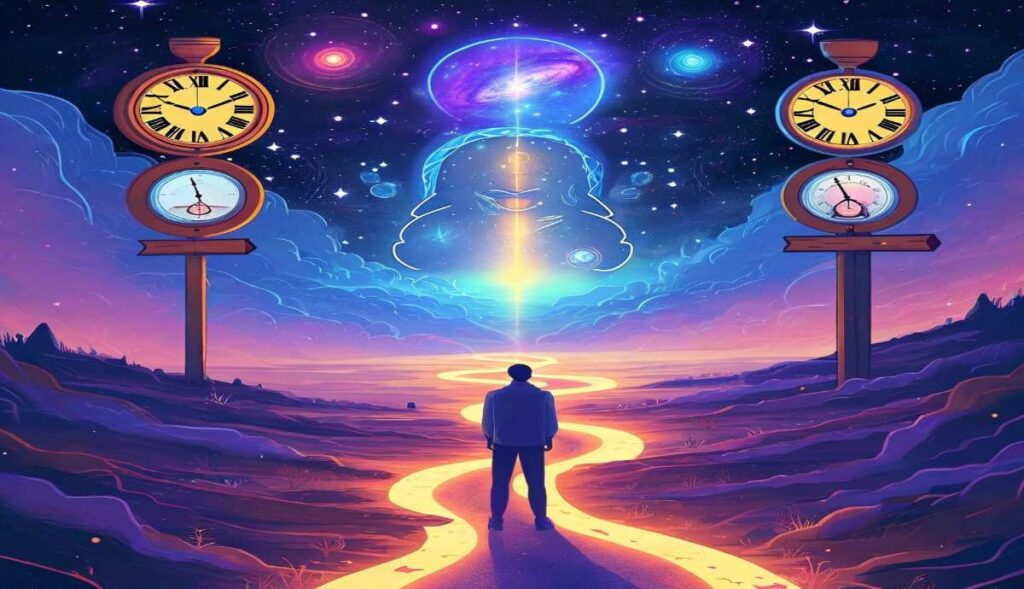
When a body ceases, perhaps the soul, like energy, continues its journey—flowing into another vessel, another living form, another chapter of existence. Death then becomes less of an end and more of a transformation, just as water becomes vapor without ceasing to exist.
It’s safe to call the soul the most fundamental thermodynamic entity of life. No?
The Journey Through Many Forms
If we follow this line of thought, the soul within us today is not new. It has likely journeyed through countless forms before arriving here. The essence that animates you may once have lived as a bird, a fish, a tree, or a creature long forgotten by history.
This could explain why, deep within our subconscious, we seem to carry fragments of many beings. A sudden instinct of fear, a primal urge to protect, the thrill of the chase, or the longing to fly—these could be echoes of forms we have once inhabited.
Think about it: the patience of a cat waiting silently for its prey, the loyalty of a dog, the protective rage of a lioness, and the curiosity of a dolphin. Don’t we, as humans, carry all of these traits within us? They rise and fall depending on the moment, the environment, and—perhaps—the lessons our soul has carried forward from its earlier journeys.
The Subconscious as the Gatekeeper
But why do some of these traits surface in one person and not in another? Why does one child show an unusual calmness, while another brims with restlessness? Why does someone have an innate connection with nature, while another feels drawn to logic, art, or combat?
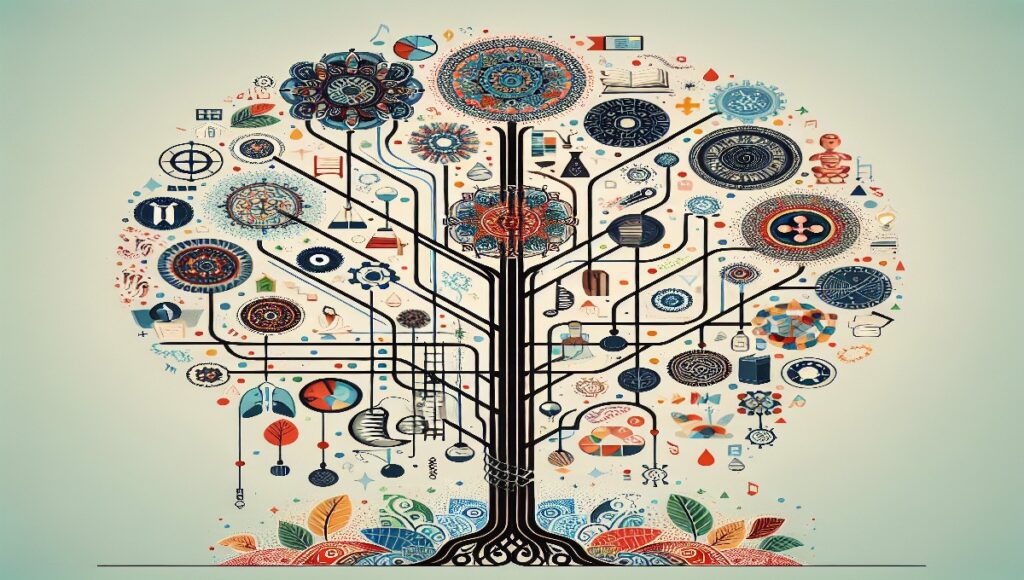
Here, the subconscious may be the gatekeeper. It carries the memory of these countless past forms, like a hidden library of instincts and impressions. Yet not every book in that library is placed on the front desk. The subconscious decides which behaviors, qualities, or tendencies rise into consciousness, shaping the person we are today.
In this way, our character could be seen as a delicate balance between the inheritance of countless lifetimes and the choices we make in the present.
Science Meets Philosophy
Skeptics may argue that the soul is not measurable, that it belongs to the realm of faith rather than science. And perhaps they are right—at least for now. But history reminds us that many mysteries once dismissed as superstition later found scientific grounding. At one time, electricity was invisible magic. At one time, the existence of atoms themselves was controversial.
Quantum physics, with its talk of entanglement, superposition, and the strange non-locality of particles, already stretches the boundaries of what we consider “physical.” It shows us that reality is far more fluid, interconnected, and mysterious than our senses suggest. In such a universe, is it really unreasonable to imagine a subtle energy—a soul—that animates life and migrates beyond death?
The Stone and the Heartbeat
Coming back to the pebble in your hand and the pulse in your chest—both are made of the same atomic fabric, yet only one is alive. The stone contains structure and form, but no awareness. You contain structure and form too, but also something else: the spark that turns matter into life.
That spark is what allows us to laugh, to feel pain, to dream of futures that don’t yet exist, and to love in ways that cannot be explained by molecules alone. It is what carries forward the echoes of past journeys, perhaps through other beings, perhaps across other lifetimes.
A Living Question
Whether we call it soul, spirit, or consciousness, this essence remains one of humanity’s oldest mysteries. Science may one day give us new language to describe it. Philosophy and spirituality may continue to give us metaphors to understand it. But for now, perhaps it is enough to pause, breathe, and recognize that we are more than our atoms.
The stone in your hand may share your particles, but it does not share your story. Your soul is not just a flicker of energy—it is a traveler, carrying with it the wisdom, instincts, and echoes of countless forms.
And maybe the role of our present life is simple yet profound: to listen to the subconscious, to honor the spark, and to allow the best of those timeless traits to rise into the light of consciousness.