Who has the power to save lives?
A first responder, in its broadest sense, is anyone who can provide basic life support to someone experiencing a sudden collapse, seizure, or medical emergency—regardless of their background. You don’t need years of study to be prepared for such situations. In fact, becoming a first responder is simpler than you think—sometimes, all it takes is the willingness to act.
However, when faced with an emergency, many people hesitate—not because they don’t care, but because of common misconceptions about what needs to be done. One of the most widespread myths is that warming a collapsed person’s hands and feet should be the first step in revival. While this may help in cases of hypothermia, it is not the immediate action required in most emergencies.
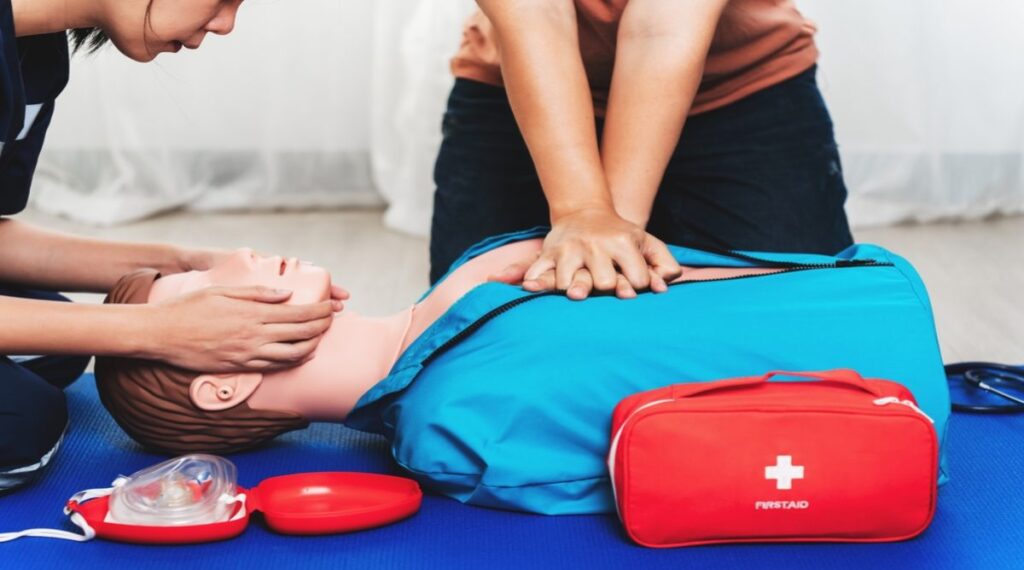
If someone suddenly collapses, especially if they are unresponsive and not breathing normally, the priority should be immediate chest compressions. Every second counts. The heart may have stopped, and circulation must be maintained until professional help arrives. Delaying compressions in favor of warming extremities or checking for a pulse—unless you are trained to do so—wastes valuable time.
Another common misconception surrounds epileptic seizures. In many cases, bystanders rush to place metal objects in the person’s hands or, even worse, force them to sniff a shoe, believing these actions will help stop the seizure. Not only are these ineffective, but they can also be harmful. The real priority should be to roll the seizing person onto their left side to prevent aspiration. More often than not, seizures stop on their own, but ensuring the person is in a safe position significantly reduces the risk of choking or suffocation. This simple act could mean the difference between life and death.
Understanding these misconceptions and knowing the correct response can make the difference between life and death. The ability to save a life is not reserved for a select few—it is a skill everyone should possess.
The ability to save a life should not be seen as a privilege exclusive to doctors and paramedics—it is a fundamental responsibility that each of us carries. Emergencies don’t wait for trained professionals to arrive. In those crucial first moments, the actions of a bystander can mean the difference between life and death.
Learning Basic Life Support (BLS) is not only essential, but it is also incredibly easy to acquire. With just a simple search for BLS training centers online, anyone can enroll in an 8-hour certification course and gain the knowledge needed to respond effectively in critical situations. These courses, often provided by accredited medical organizations, teach lifesaving techniques such as chest compressions, the Heimlich maneuver, and how to manage choking or seizures. The training is straightforward, designed for everyone—regardless of medical background.
One life saved is not just a number. To the person revived, it is the gift of another chance. To their family, it is the return of a loved one. To their friends, it is the preservation of irreplaceable bonds. A single act of courage and preparedness can ripple outward, altering countless lives in ways we may never fully comprehend.
Being a first responder doesn’t require superhuman abilities—only the willingness to learn, to act, and to care. In just a few hours of training, you can equip yourself with the skills to step forward when it matters most. Because in a moment of crisis, the difference between tragedy and survival might just be you.